
Damage and cause
The affected material and underlying cause shape the repair.
HOME REPAIRS IN DENVER, CO
Home repairs should make the house work better without turning every worn surface into a full remodel. Denver Basement Finishing Pros offers home repairs for drywall, deck components, trim and other finishing work. The starting point is the damaged area and what surrounds it. A clean patch matters, but so does understanding why the surface failed and what needs attention before it is covered again.
PLANNING YOUR INVESTMENT
The existing space and the work involved shape the estimate. Discuss your goals with us during a property walkthrough.
The affected material and underlying cause shape the repair.
Protection, reach and finish matching affect the work.
Trades, inspections and drying intervals affect scheduling.
Request a project-specific estimate for your home and planned improvements.
Request an estimate01 / YOUR HOME REPAIR PROJECT
A dent from moving furniture and a recurring crack need different attention. The dent has an obvious cause. A crack that keeps returning may involve a loose joint, movement or another condition that a coat of filler will not resolve. Looking beyond the visible mark helps separate a straightforward finish repair from work that needs further assessment.
The same approach applies to water stains. A dry-looking ceiling does not establish that a leak has stopped. Plumbing, roofing or exterior drainage work may need to happen before damaged finishes are repaired. Home repairs should follow that sequence so new materials are not installed over an active problem.
This first assessment also sets the boundaries of the job. Replacing damaged trim keeps an existing room intact. Moving an opening or changing a load-bearing wall is a different project. Significant movement, damaged structural members or unexplained recurring cracks may need an engineer or another specialist. Patching the finish is not enough when the material behind it is still moving or damaged.
HOME REPAIR PLANNING
Plan the repair before the finish02 / YOUR HOME REPAIR PROJECT
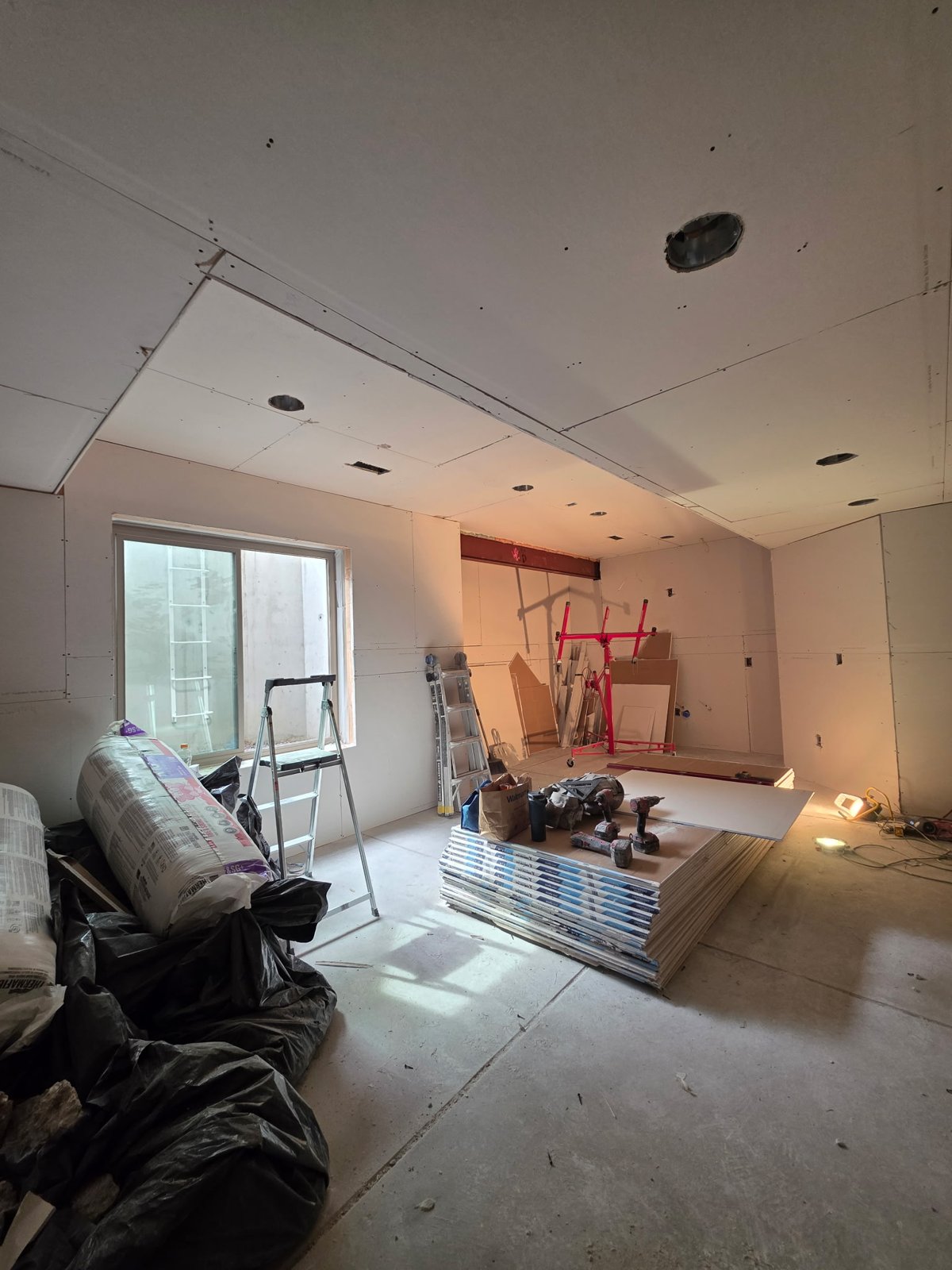
Small holes and cracks are common reasons to arrange a repair. The work includes more than filling the opening. Loose material needs attention, a larger replacement piece needs support, and the joint must be finished into the surrounding wall. Repairing the surface without a stable base can leave a visible edge or a joint that opens again. Larger areas of wall replacement belong in the drywall installation scope, including the adjoining finish work.
For damage around a plumbing access opening, the pipe work comes first. Any required inspection needs to happen before the opening is closed. An access panel may be appropriate where equipment or connections must remain reachable. Covering everything with drywall can make the next service visit more disruptive than it needs to be.
USG's drywall repair guidance describes building up and smoothing the patch before finishing. The compound and application method determine the drying or hardening intervals. A small patch can therefore involve more than one visit even though the damaged area takes only a few minutes to measure.
Texture and paint are separate parts of the finish. Existing walls may have years of fading, cleaning marks and previous touch-ups. The original paint color alone does not guarantee an invisible patch. Extending the paint to a corner or another natural stopping point can produce a more consistent result than leaving a small freshly painted square in the middle of a wall.
03 / YOUR HOME REPAIR PROJECT
Preparation starts with the route into the work area. Tools, replacement boards and debris all pass through the home. Floor protection, space around the damaged surface and a defined work boundary reduce interference with daily routines. For a ceiling repair, access below the whole affected area matters, not just directly beneath the hole.
Dust control should match the work. Sanding, cutting and demolition need a different setup from adjusting trim. Furniture and stored items should be kept out of the immediate work zone, and children and pets need a separate route while tools and unfinished surfaces are exposed. Cleanup is part of the repair plan, rather than a task left until the household starts using the room again.
Older paint requires attention before disturbance. EPA recommends a lead-safe certified contractor for renovation and repair in pre-1978 homes. Sanding or cutting painted surfaces can release hazardous dust. This is a preparation issue to resolve before work begins, not a claim that every older wall contains lead.
Denver's homeowner permit guidance lists painting and patching or replacing one drywall sheet no larger than four by eight feet among work that does not need a permit. Changing plumbing, electrical systems or structural elements can change the requirements. Other approvals can still apply, and municipalities outside Denver have their own rules. The actual repair scope and property determine the review needed.
04 / YOUR HOME REPAIR PROJECT
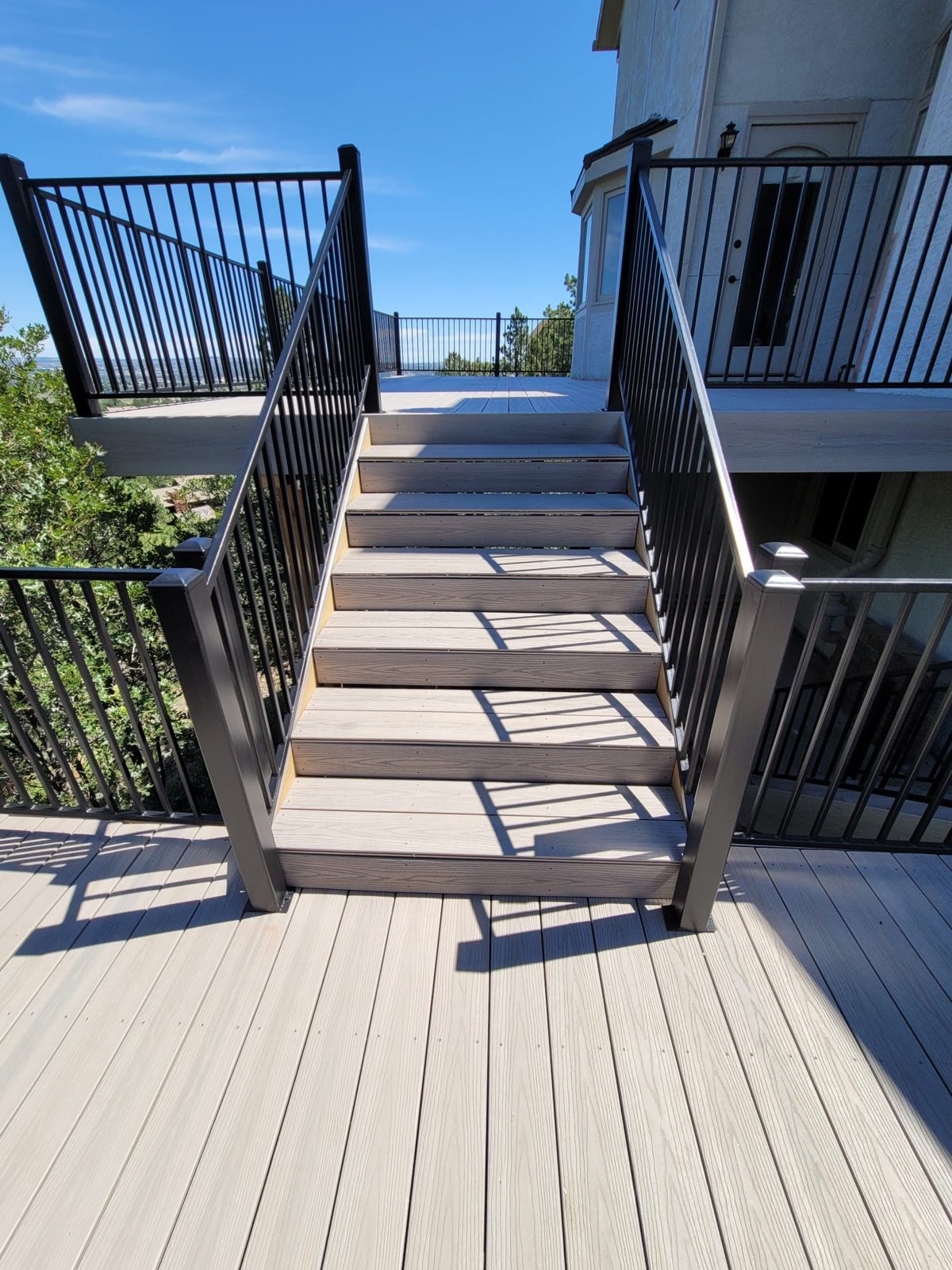
A deck repair needs to consider the boards, rails, stairs and supporting structure together. A damaged surface board does not automatically mean the entire deck needs replacing. Equally, new decking cannot correct deterioration in the framing beneath it. The assessment needs to establish whether the damage stops at that component or affects the structure and its connections. A full replacement or new outdoor layout belongs in a deck construction plan.
Loose rails and stairs deserve assessment before continued use. Simply adding another screw may not address damaged wood or a weak connection. The repair needs sound material to attach to and an appropriate fastening detail. Where the supporting structure is compromised, the scope can extend beyond the visible board or post.
Inside the house, trim repairs involve similar attention to fit and support. Baseboards meet flooring, door casing meets wall finishes, and each joint affects how the repair looks. Matching the existing profile and thickness helps a replacement piece sit naturally with what remains. A different profile can look conspicuous even when the paint color is the same.
Door adjustment also starts with the cause. Loose hinge screws, worn hardware and a door rubbing its frame are not interchangeable problems. A door that has changed position alongside cracking or visible movement needs closer assessment before material is removed. The aim is a working door with appropriate clearances, rather than repeated trimming that leaves an uneven gap.
05 / YOUR HOME REPAIR PROJECT
The size of the damaged area is only part of the price. Access, preparation and finish work can account for much of a small repair. A ceiling above a stairway takes a different setup from a reachable wall. Matching an unavailable trim profile can also involve more work than replacing a standard piece.
The scope should make clear whether the price covers the finished surface or only the underlying repair. For drywall, patching, texture, primer and paint are distinct tasks. For deck work, removing damaged components, assessing exposed material and restoring the affected finishes are separate considerations. Clear boundaries make the proposed result understandable without reducing the job to a square-foot calculation.
Several compatible home repairs can sometimes share preparation and cleanup. They still need a sensible order. Leak correction precedes wall closure, dusty work precedes final paint, and coatings need the product's stated drying conditions before normal use. A schedule should account for those intervals instead of treating every day without visible work as a delay.
Call to discuss the damaged areas and the result you want.
06 / YOUR HOME REPAIR PROJECT
The final review should cover function as well as appearance. A repaired door should open and latch properly. Trim joints should meet cleanly, and patched walls should be reviewed with the room's normal lighting. A surface can look different in strong side light than it does beneath a work lamp, particularly where old texture meets new work.
Any required inspection and remaining correction belong in the closeout. Paint colors, product information and care instructions are useful to keep with the home's records. Fresh coatings may need additional curing time even after they feel dry, so cleaning and normal use should follow the specific product guidance.
Preventive work should address the original cause. A doorstop can prevent another handle impact. A corrected leak protects the repaired ceiling. EPA's moisture guidance stresses fixing water problems and drying affected materials, and advises against painting over moldy surfaces. Finish work is not a substitute for resolving moisture or arranging appropriate remediation.
After home repairs, a returning stain, widening crack or renewed movement warrants another assessment. Record the change and where it occurs rather than repeatedly covering it. This helps distinguish a finish issue from an unresolved condition and keeps the next repair focused on what is actually happening.
HOME REPAIR PLANNING
Review the completed repairBEFORE YOUR PROJECT BEGINS
Related work can be grouped when access, materials and trade requirements fit together. Drywall patches in several rooms may share setup, while electrical or plumbing changes need their own scope and appropriate trades. Describe the full list at the start so the sequence can be planned. Grouping work does not mean every task will be finished in a single visit.
The moisture source and condition behind the finish need attention first. A stain alone does not show whether a leak is active or whether concealed material remains wet. Repair work can proceed once the underlying issue is resolved and affected materials are suitable for closure. Mold or extensive damage can require specialist work before the wall is finished.
The repair can be planned to blend with the surrounding finish, but an exact invisible match is not something to assume. Texture, paint sheen, fading and lighting all affect the result. Repainting the full wall to natural edges may be more consistent than touching up only the patch. The finishing area should be decided before work starts.
No. Denver identifies some limited repairs and finish work as exempt, but the exemption depends on what is being changed. A small surface patch differs from altering wiring behind it or changing structural framing. Confirm the complete scope with the authority responsible for the property before work begins. A Denver mailing address alone does not establish the permitting jurisdiction.
That depends on the condition of both the visible components and the supporting structure. Localized board damage may allow a targeted repair. Deteriorated framing, unstable connections or more extensive damage can require broader work. New surface boards should not conceal a problem underneath. An assessment of the affected structure comes before choosing the extent of replacement.
Yes. A repair restores an existing component or finish. A remodel changes the room's layout, design or use. Fixing a damaged wall does not require redesigning the room around it. When the work includes new openings, relocated services or substantial layout changes, the planning and approvals need to reflect that larger project.
LET’S TALK ABOUT YOUR HOME
Tell us what you have in mind. We’ll discuss your goals and arrange a walkthrough to understand the work involved.